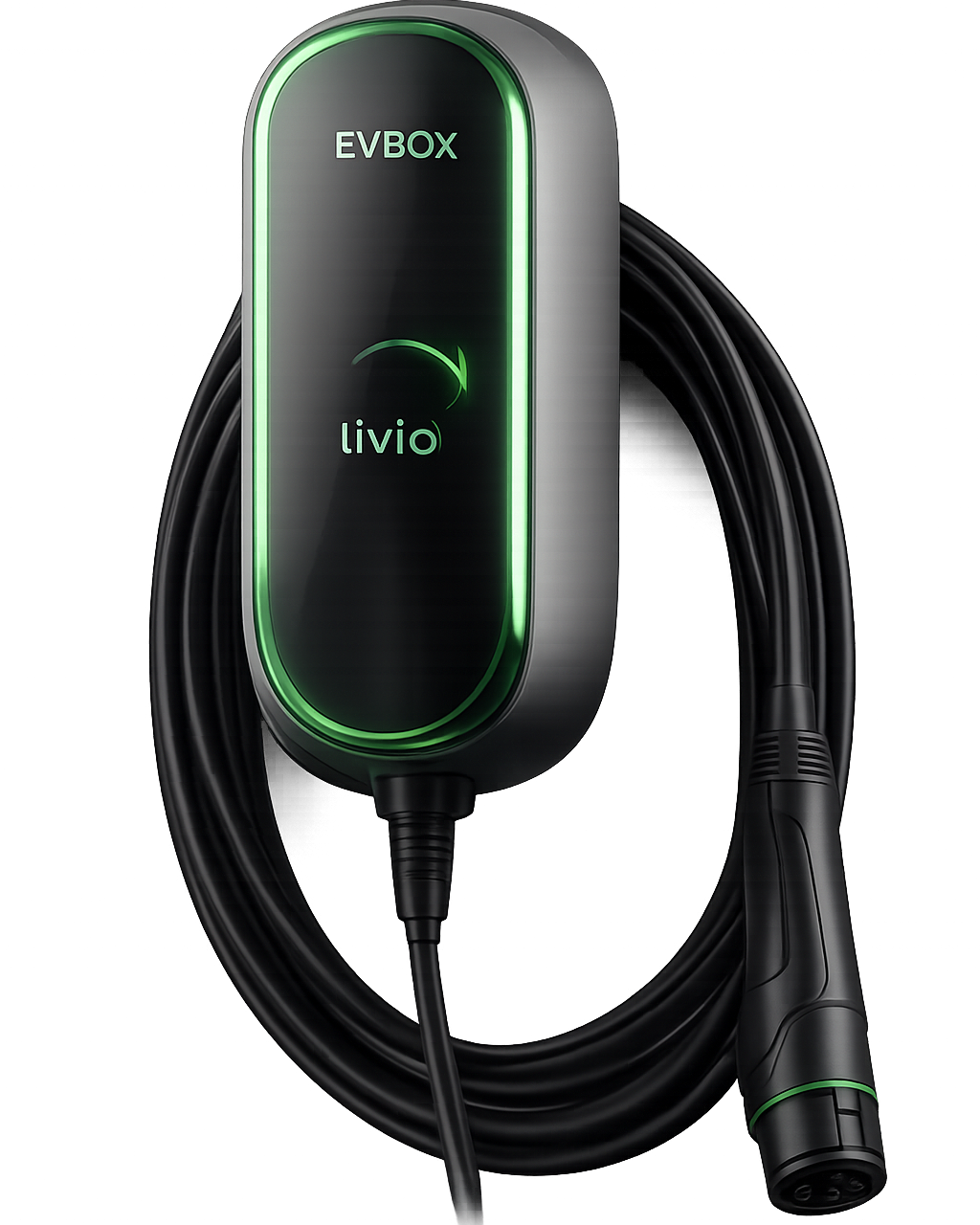
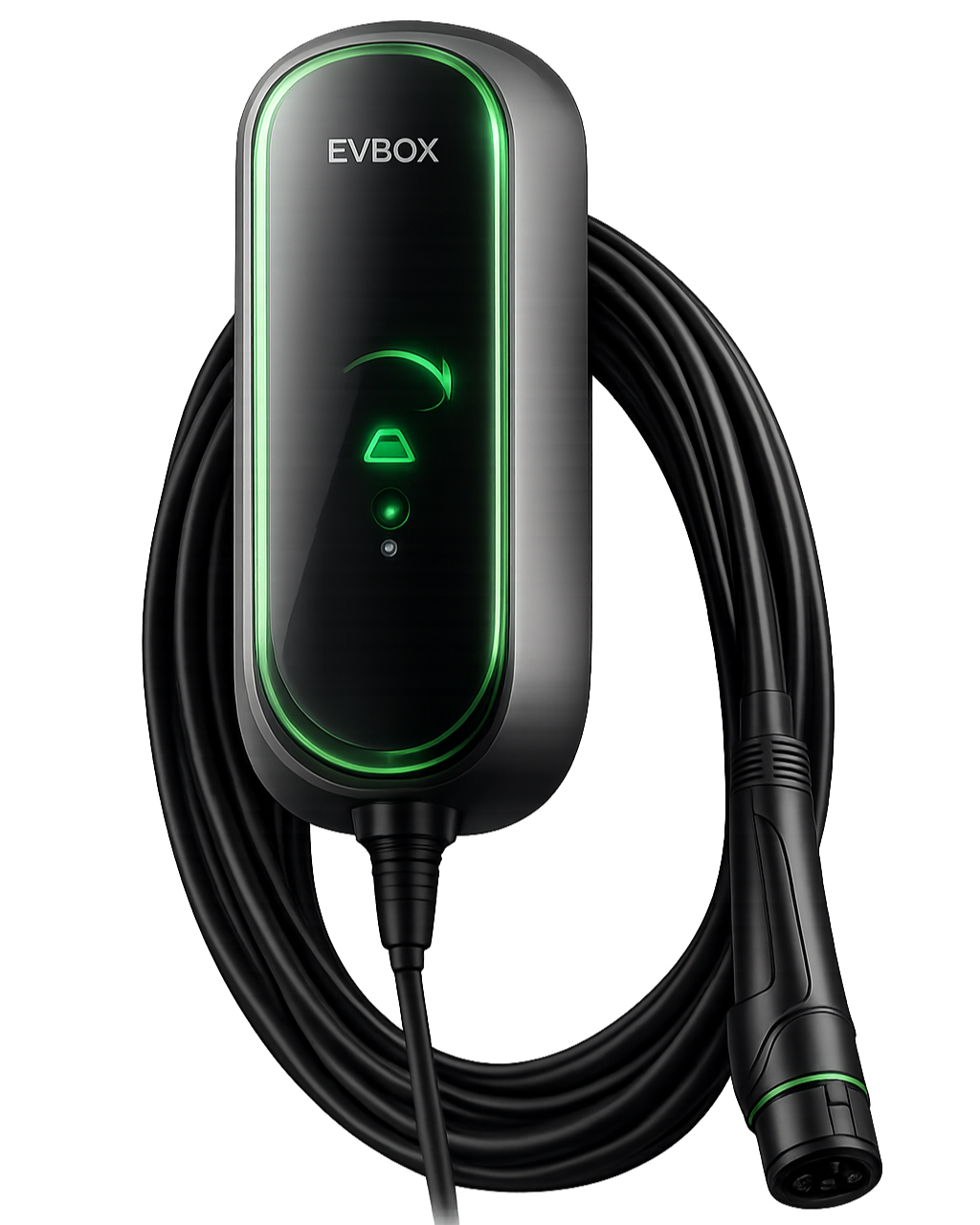
Level 2 charging stations have a maximum power output of 22 kW. At 22 kW, a charging station can fully charge a Tesla Model 3 in approximately three hours and 45 minutes. Level 2 charging stations are ideal for home scenarios because they deliver maximum power to an EV without requiring costly grid upgrades, depending on your location of course.
However, as with all hardware, there are variables. The speed of residential charging stations varies depending on the type of charging point 1-phase, 3-phase, and whether they deliver 16 A or 32 A, the residential location’s power output, and the type of EV. To get a better understanding of the different charging speeds for a Level 2 charging station, here’s an overview of how long it will take to charge a Tesla Model 3.
Level 2: 1-Phase, 16A 3.7 kW 14h45m
Level 2: 1-Phase, 32A 7.4 kW 7h20m
Level 2: 3-Phase, 16A 11 kW 5h00m
Level 2: 3-Phase, 32A 22 kW 3h45m
Beyond the type of charging station you choose, how fast your home charging station will charge your EV comes down to the amount of power you can take from the grid. Some residential homes may not be wired to deliver 22 kWs of AC, affecting charging speeds.
To attain your desired charging speed, it may be necessary to upgrade your electrical supply. But before you do, it’s important to understand what your vehicle is capable of.
We always say that the EV is the ultimate deciding factor in charging speeds due to the vehicle’s conversion capacity. As the power from the grid is AC and an EV’s battery charges with DC, the current must be converted. If an EV’s AC/DC converter only allows for conversion at 11 kW an hour, then even with 22 kW output, the EV will take twice as long to charge.
For a Tesla Model 3, a 3-Phase, an 11 kW charging station is best suited due converter’s capacity (11 kW) and the size of the vehicle’s battery. With it’s 6.6 kW on-board charger and comparatively smaller battery, a Nissan Leaf driver would be better off choosing for a 1-Phase, 32A charging station. It’s important to have an overview of these details—both for your home and your EV—if you’re considering investing in EV charging for your residence.