The Future Of EV Charging: Trends Shaping The Next Generation Of Infrastructure
The electric vehicle industry is entering a new era. As EV adoption continues to accelerate globally, charging infrastructure is becoming one of the most important components of the clean transportation transition.
The future of EV charging is no longer focused solely on adding more chargers. Instead, the industry is moving toward intelligent, connected, and scalable charging ecosystems that improve reliability, support energy management, and create a seamless charging experience for drivers.
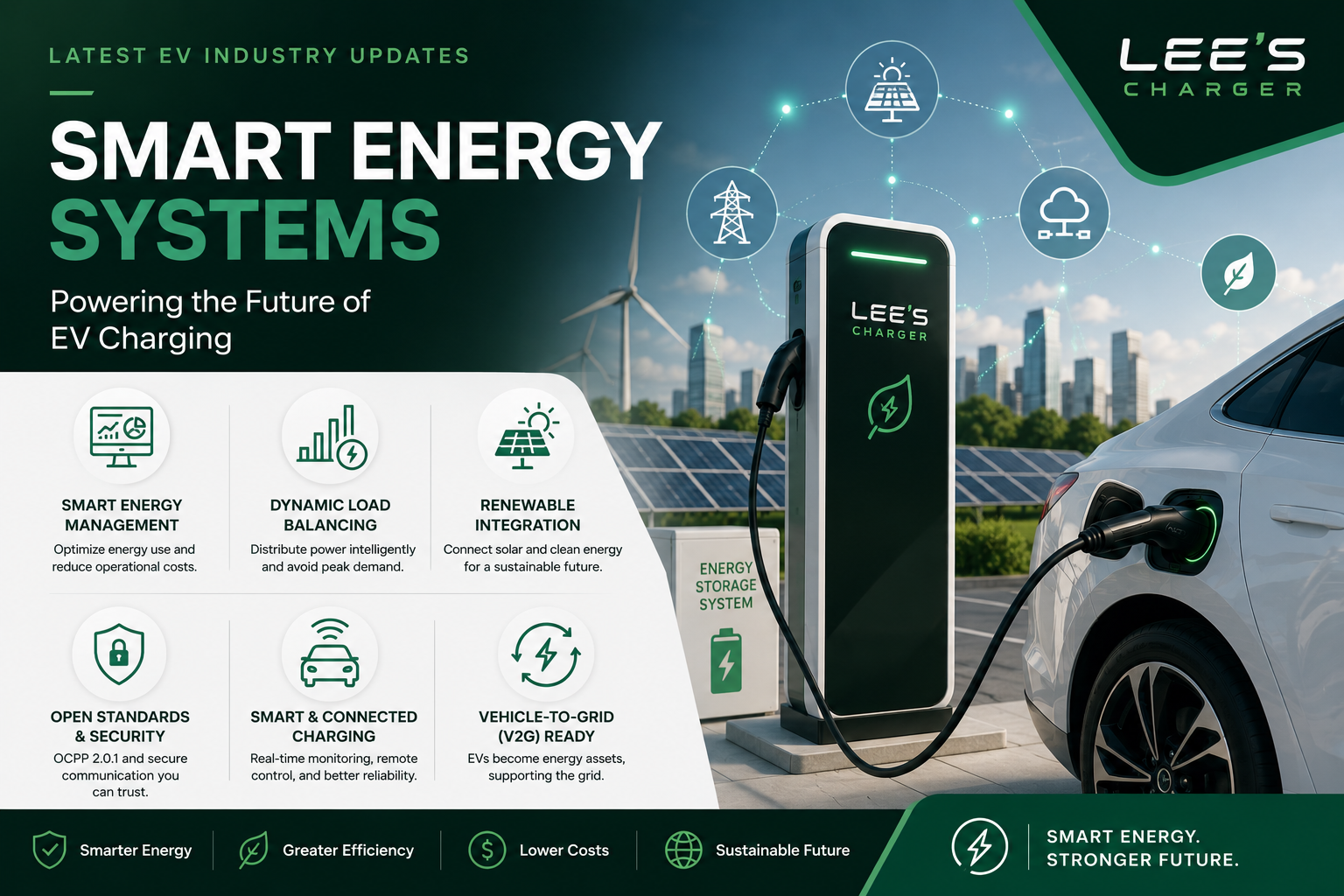
From smart charging and NACS adoption to vehicle-to-grid technology and AI-powered energy management, the next generation of EV infrastructure is already taking shape.
The Rise Of Smart Charging Networks
One of the most significant trends shaping the future of EV infrastructure is smart charging.
Unlike traditional charging systems, smart charging technology can optimize charging sessions based on electricity demand, energy prices, and grid conditions. This helps reduce strain on electrical networks while lowering operating costs for charging providers and EV owners.
Smart charging is quickly becoming a key component of modern EV infrastructure as utilities, businesses, and charging operators seek more efficient ways to manage growing electricity demand.
Recommended Resource:
https://simpleswitch.io/ev-charging-trends/
Charging Standards Are Becoming More Unified
Charging interoperability has historically been one of the biggest challenges in the EV industry.
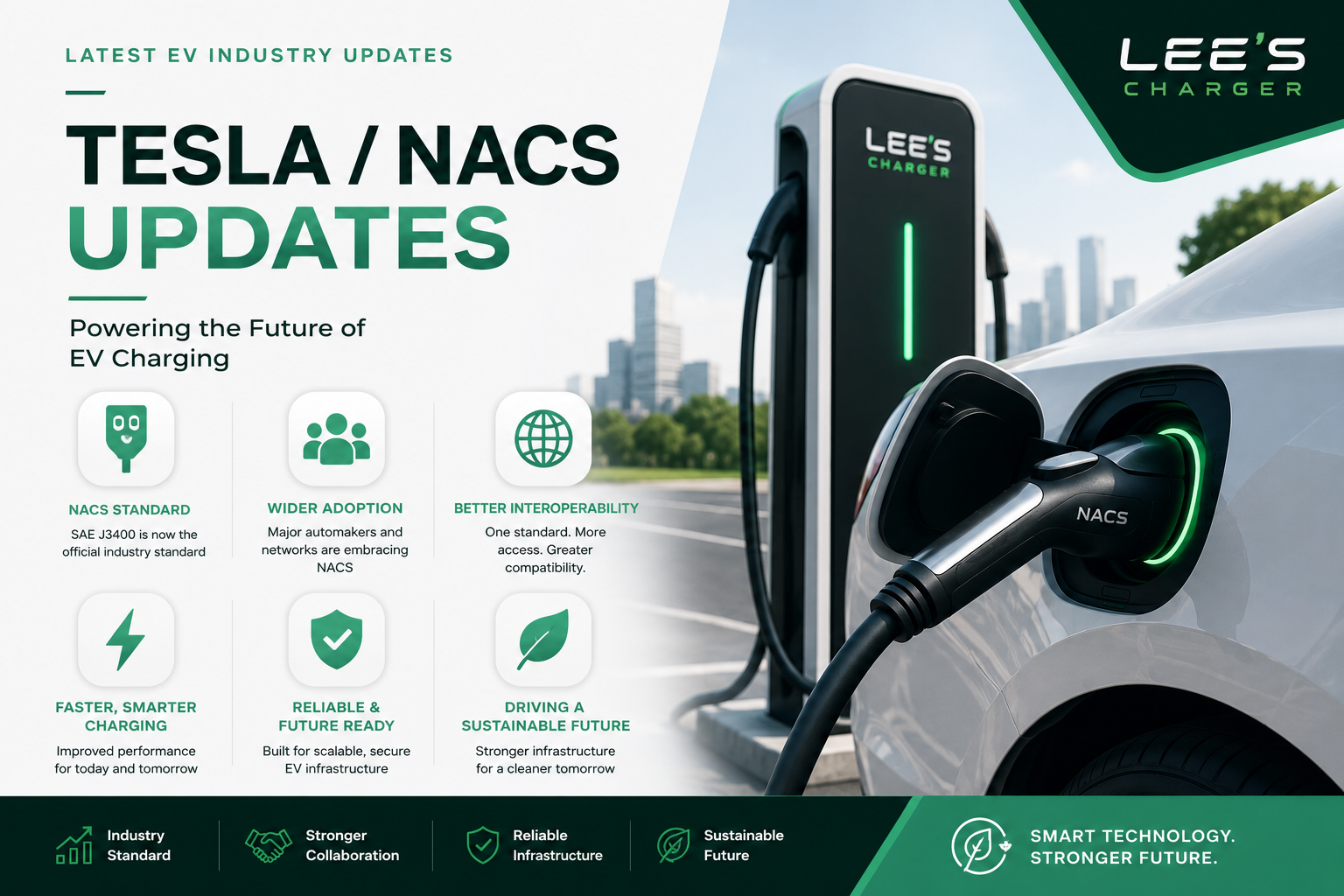
The rapid adoption of Tesla’s North American Charging Standard (NACS), now standardized as SAE J3400, is helping create a more unified charging ecosystem across North America.
Industry standards such as:
• SAE J3400 (NACS)
• ISO 15118
• OCPP 2.0.1
are increasingly becoming critical components of future-ready charging infrastructure.
These standards improve compatibility, communication, security, and long-term scalability across charging networks.
Recommended Resources:
https://driveelectric.gov/standards-reliability
https://openchargealliance.org/protocols/open-charge-point-protocol/
Vehicle-To-Grid Technology Is Transforming Energy Systems
Vehicle-to-Grid (V2G) technology is expected to become one of the most important innovations in future EV infrastructure.
Rather than simply consuming electricity, EVs equipped with bidirectional charging capabilities can return stored energy back to homes, businesses, or utility grids when needed.
This creates new opportunities for:
• Grid stabilization
• Renewable energy integration
• Energy resilience
• Reduced energy costs
As V2G adoption grows, electric vehicles may become active participants in future energy ecosystems rather than simply transportation assets.
Recommended Resources:
https://www.virta.global/vehicle-to-grid-v2g
The Growth Of Smart Energy Management
Future charging networks will increasingly rely on intelligent energy management systems.
Advanced software platforms are already helping operators:
• Monitor charger performance
• Balance electrical loads
• Reduce peak demand costs
• Improve network reliability
• Optimize charging schedules
These technologies are helping transform EV charging stations into integrated energy assets capable of supporting broader sustainability goals.
Public Charging Infrastructure Continues To Expand
According to the International Energy Agency (IEA), more than 1.3 million public charging points were added globally during 2024 alone, highlighting the continued expansion of EV charging infrastructure worldwide.
As adoption grows, governments, utilities, and private organizations are investing heavily in public charging networks to support future transportation needs.
Recommended Resource:
https://www.iea.org/reports/global-ev-outlook-2025/electric-vehicle-charging
Future Charging Will Be More Connected
The future of EV charging will extend beyond hardware.
Charging stations are increasingly becoming connected technology platforms capable of integrating:
• Renewable energy systems
• Battery storage solutions
• Smart grids
• Building management systems
• AI-driven analytics
This connected ecosystem will help improve efficiency, reliability, and accessibility while supporting broader electrification goals.
Looking Ahead
The future of EV charging is being defined by intelligence, interoperability, and scalability.
As technologies such as NACS, ISO 15118, OCPP 2.0.1, smart charging, and vehicle-to-grid solutions continue to mature, EV infrastructure will become more integrated with energy systems than ever before.
Organizations investing in future-ready charging infrastructure today are positioning themselves to benefit from the next generation of electric mobility and clean energy innovation.
The future of transportation is electric, but the future of electric mobility depends on the infrastructure that powers it.