How Smart Energy Systems Are Transforming The Future Of EV Charging
As electric vehicle adoption continues to accelerate worldwide, the focus is shifting beyond charging stations alone. The future of EV infrastructure depends on intelligent energy management systems capable of optimizing electricity usage, supporting renewable energy integration, and creating more resilient charging networks.
Smart energy systems are transforming how charging infrastructure is designed, operated, and managed. These technologies enable charging networks to communicate with vehicles, buildings, energy providers, and grid operators in real time, creating a more efficient and connected energy ecosystem.
What Are Smart Energy Systems?
Smart energy systems combine software, communication protocols, energy monitoring tools, and intelligent charging technologies to manage electricity demand more effectively.
Unlike traditional charging infrastructure, smart charging systems can dynamically adjust charging speeds, distribute power across multiple chargers, and optimize energy consumption based on demand, utility pricing, and grid conditions.
The goal is simple: deliver reliable charging while maximizing efficiency and minimizing unnecessary energy costs.
Why Smart Charging Matters
As more EVs connect to the electrical grid, unmanaged charging can place significant strain on energy infrastructure.
Smart charging helps address these challenges by:
• Balancing electricity demand
• Reducing peak energy consumption
• Supporting renewable energy integration
• Improving charging efficiency
• Lowering operational costs
Industry research continues to highlight the importance of intelligent charging strategies in supporting grid stability and long-term EV adoption.
The Role Of OCPP And Open Standards
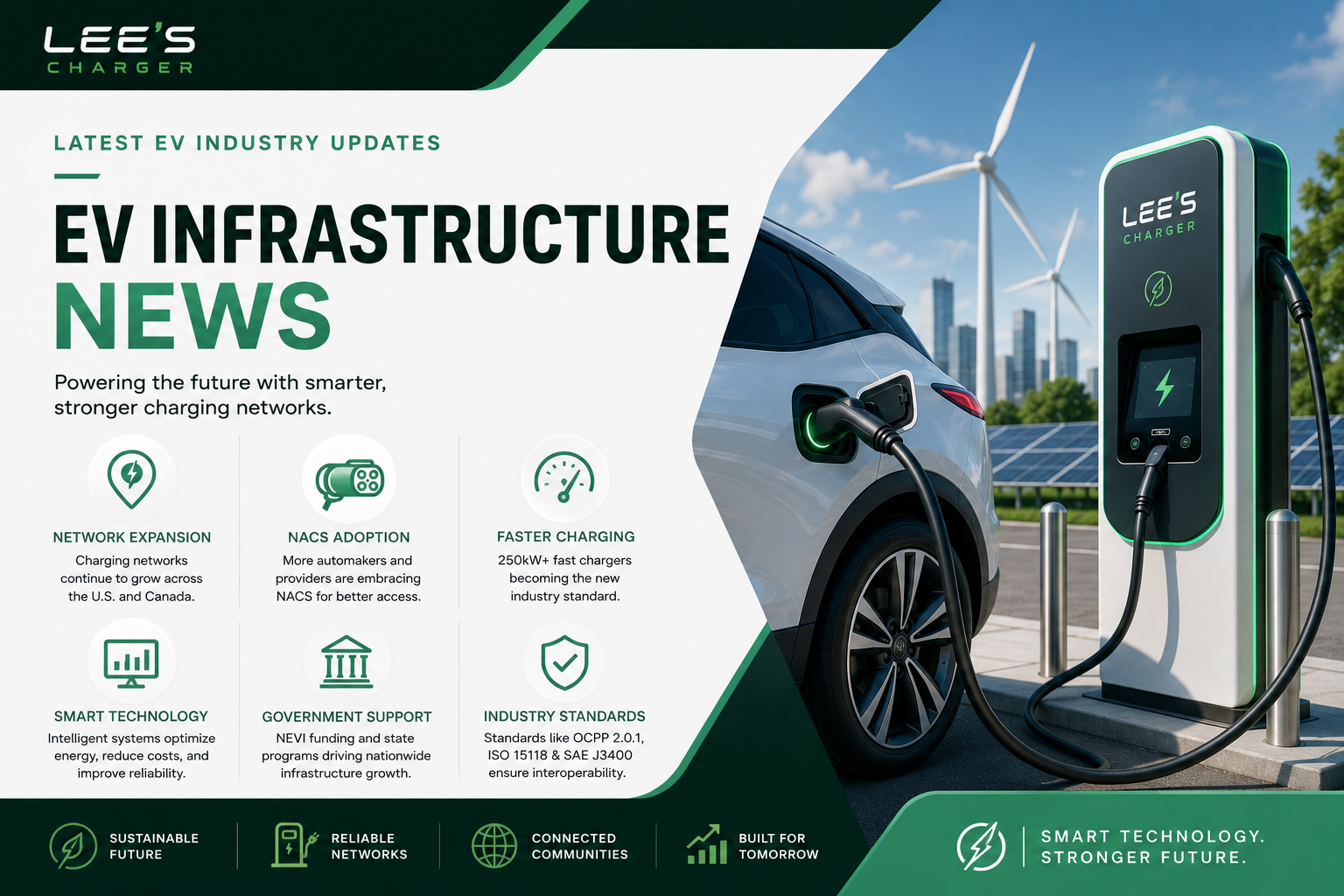
One of the key technologies behind smart charging infrastructure is the Open Charge Point Protocol (OCPP).
OCPP enables communication between charging stations and central management systems, allowing operators to remotely monitor, manage, and optimize charging networks.
Modern versions such as OCPP 2.0.1 introduce advanced capabilities including:
• Smart energy management
• Improved cybersecurity
• Remote diagnostics
• Dynamic load balancing
• Enhanced device control
Open standards help create interoperability between different hardware manufacturers, software providers, and charging networks, reducing vendor lock-in and supporting long-term infrastructure growth.
ISO 15118 And Plug & Charge
Another major development is ISO 15118, a communication standard that allows vehicles and charging stations to exchange information securely.
This technology enables features such as:
• Plug & Charge authentication
• Automated charging sessions
• Secure communication
• Energy management optimization
• Vehicle-to-Grid (V2G) support
As adoption increases, ISO 15118 is expected to simplify the charging experience while supporting smarter energy management across EV ecosystems.
Renewable Energy Integration
Smart energy systems also play a critical role in connecting EV infrastructure with renewable energy sources.
Solar generation, battery storage systems, and intelligent energy management platforms can work together to reduce grid dependency and improve sustainability.
Benefits include:
• Lower electricity costs
• Increased energy resilience
• Reduced carbon emissions
• Better renewable utilization
• Improved infrastructure efficiency
For businesses and commercial properties, this creates opportunities to maximize energy performance while supporting environmental goals.
The Rise Of Vehicle-To-Grid Technology
Vehicle-to-Grid (V2G) technology represents one of the most exciting developments in smart energy systems.
V2G allows EVs to act as mobile energy storage assets capable of returning electricity to homes, businesses, or the grid when needed.
Future benefits may include:
• Grid stabilization
• Energy trading opportunities
• Emergency backup power
• Greater renewable energy support
• Enhanced energy flexibility
As industry standards mature, bidirectional charging is expected to become a significant part of future EV infrastructure strategies.
What This Means For Businesses
Organizations investing in EV charging infrastructure today should consider more than charger hardware alone.
Future-ready deployments increasingly focus on:
• Smart energy management
• OCPP-compliant systems
• ISO 15118 readiness
• Renewable integration
• Scalable infrastructure planning
Businesses that adopt intelligent charging technologies now will be better positioned to support future growth, evolving regulations, and emerging energy opportunities.
Looking Ahead
Smart energy systems are rapidly becoming the backbone of modern EV infrastructure. As EV adoption grows, intelligent charging, energy optimization, and grid integration technologies will play an increasingly important role in creating efficient, scalable, and sustainable transportation networks.
The future of EV charging is no longer just about delivering electricity. It is about creating connected energy ecosystems that support mobility, resilience, and long-term sustainability.