The electric vehicle industry is entering a new phase of growth where infrastructure is becoming just as important as the vehicles themselves. Across North America, charging providers, automakers, utilities, governments, and technology companies are investing heavily in the next generation of EV charging networks.
Recent developments indicate that the industry is shifting its focus from simply installing more chargers to creating faster, smarter, and more reliable charging experiences. Industry analysts note that reliability, network accessibility, and charging speed are now among the most important priorities for both drivers and infrastructure providers.
Charging Networks Continue To Expand
Public charging infrastructure continues to grow across the United States. New DC fast charging stations are being deployed along highways, commercial properties, retail destinations, fleet facilities, and community locations.
Industry reports show thousands of new fast-charging ports being added while operators increasingly favor larger, higher-capacity charging sites capable of serving more drivers simultaneously. Chargers rated at 250 kW and above are becoming increasingly common in new installations.
NACS Adoption Is Accelerating
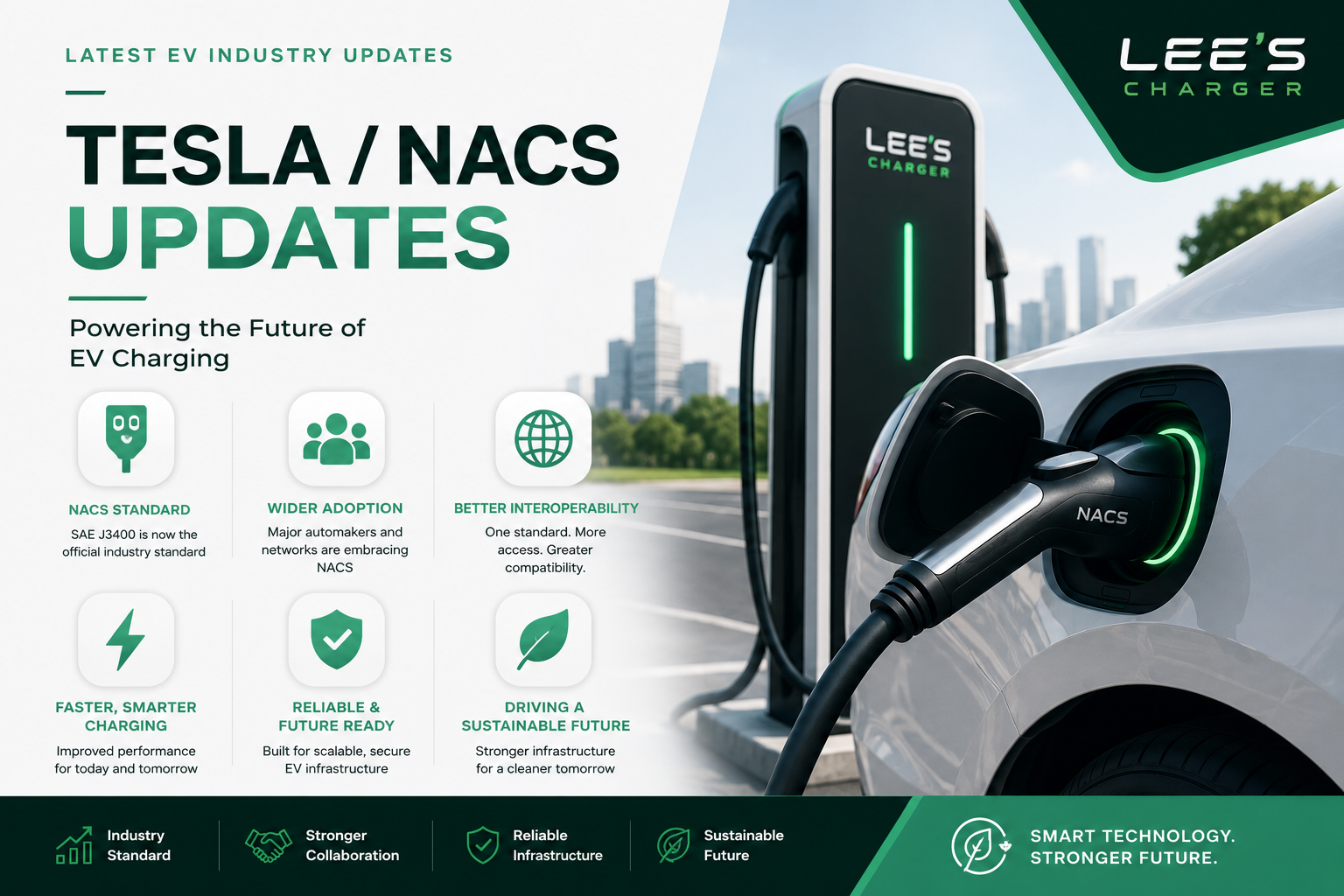
One of the most significant developments in EV infrastructure is the rapid adoption of Tesla’s North American Charging Standard (NACS).
Tesla has opened access to its charging ecosystem and continues to expand one of the largest fast-charging networks in North America. Major automakers and charging providers are increasingly supporting NACS compatibility, helping create a more unified charging experience for EV drivers.
As more manufacturers transition toward NACS-compatible vehicles and charging equipment, interoperability across charging networks is expected to improve significantly.
Smart Charging Is Becoming The New Standard
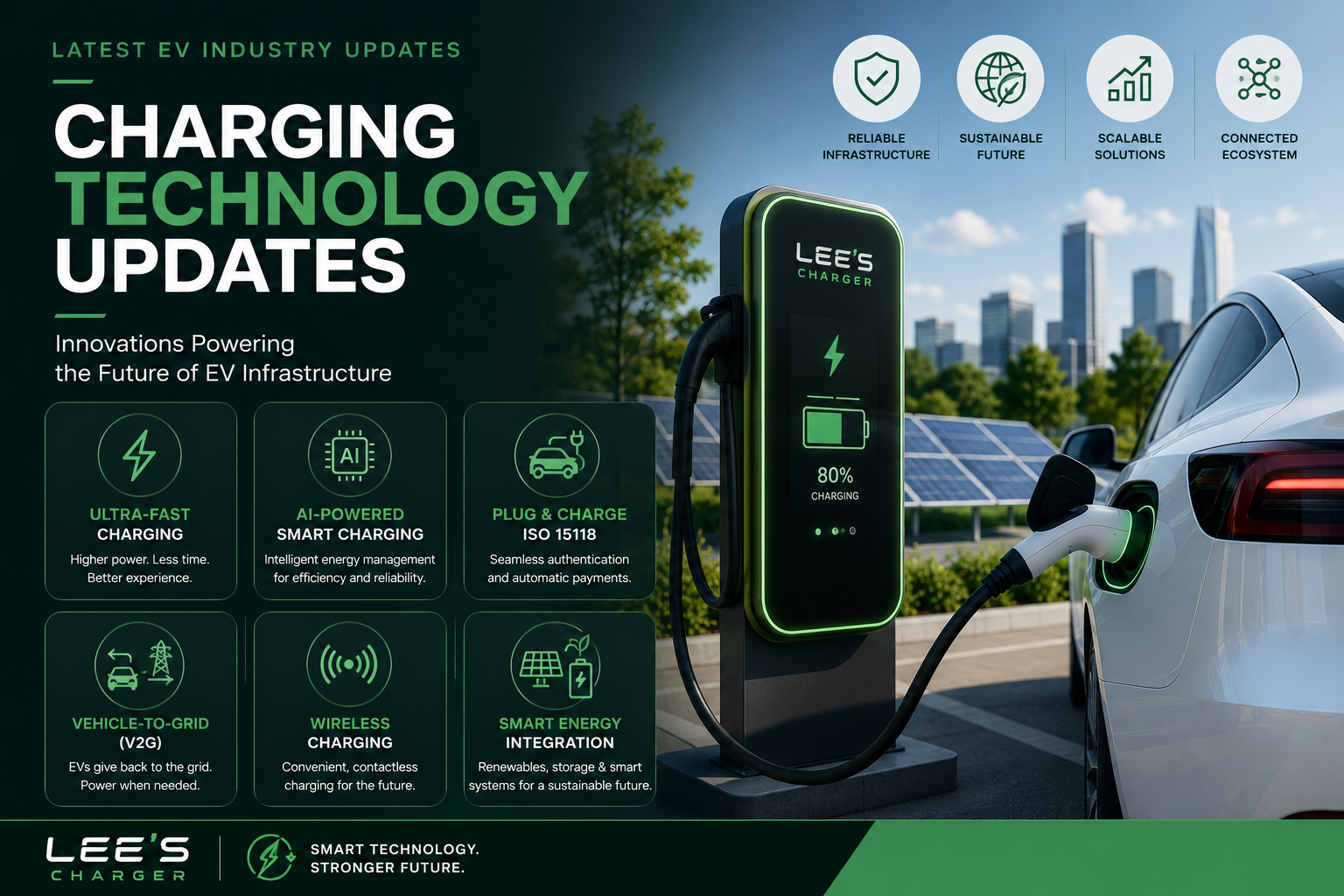
The next generation of EV infrastructure is not only about charging vehicles but also about managing energy intelligently.
Smart charging platforms can optimize charging schedules, balance electrical loads, reduce operating costs, and improve grid efficiency. Industry forecasts suggest that smart energy management and intelligent charging systems will play a central role in future infrastructure deployments.
Technologies such as vehicle-to-grid (V2G), vehicle-to-home (V2H), and AI-powered charging management are increasingly being explored as part of modern charging ecosystems.
NEVI Funding Continues To Influence Infrastructure Growth
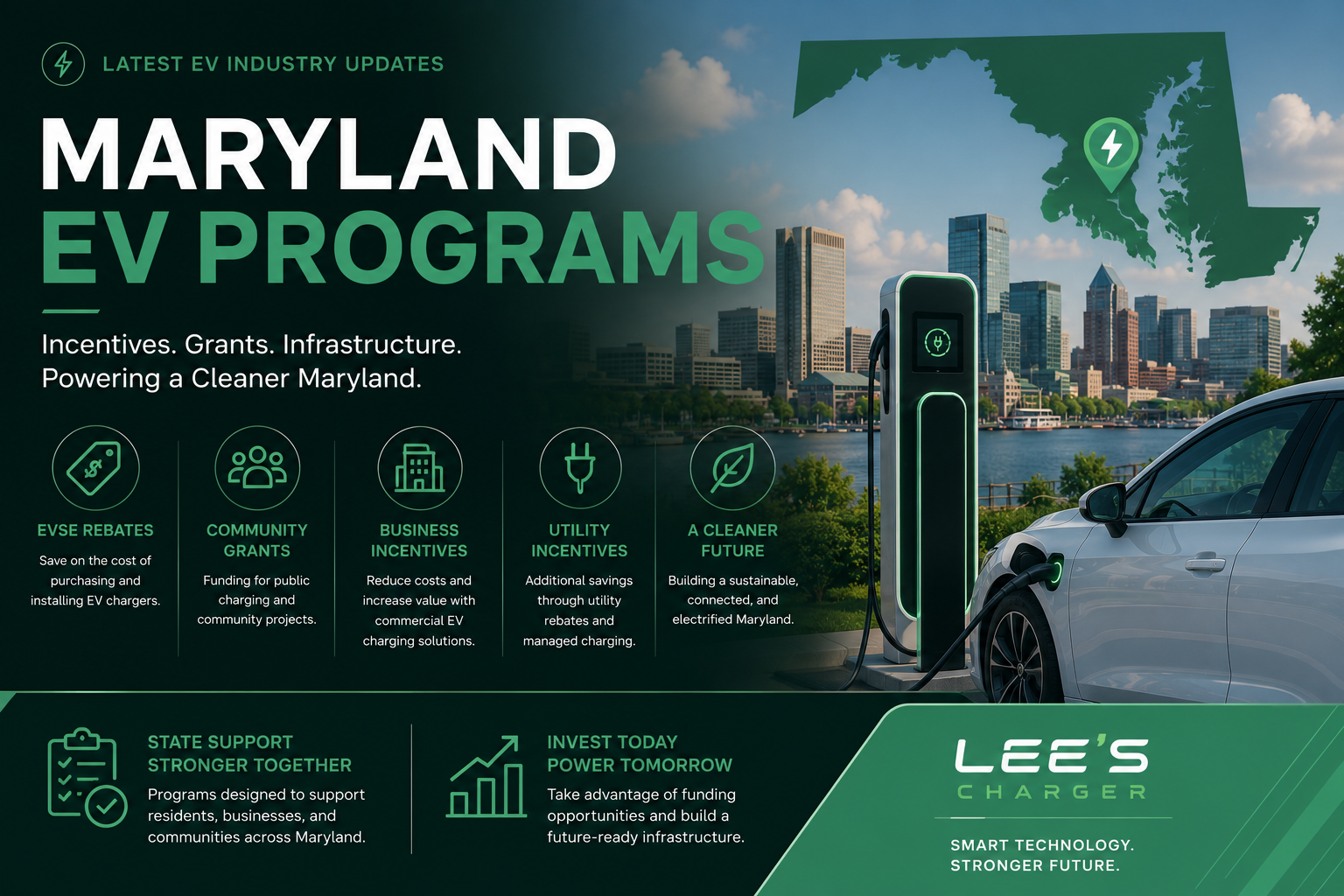
Government-backed programs continue supporting EV infrastructure expansion across the country.
The National Electric Vehicle Infrastructure (NEVI) program remains one of the most important initiatives for public charging deployment. While implementation has faced challenges and delays, hundreds of new charging locations are progressing through planning, construction, and deployment stages.
Many states continue investing in corridor charging networks, community charging projects, and future-ready infrastructure designed to support long-distance EV travel.
Industry Standards Are Driving Reliability
As charging networks grow, industry standards are becoming increasingly important.
Standards such as:
• NACS / SAE J3400
• OCPP 2.0.1
• ISO 15118 Plug & Charge
• NEVI Infrastructure Requirements
are helping create more secure, reliable, and interoperable charging ecosystems. These standards support communication between vehicles, chargers, payment systems, and energy management platforms while improving the overall charging experience.
Looking Ahead
The future of EV infrastructure will be defined by more than simply adding charging stations.
The industry is moving toward:
• Faster charging speeds
• Larger charging hubs
• Improved network reliability
• Smart energy integration
• Vehicle-to-grid technologies
• Standardized charging experiences
• AI-driven infrastructure management
Organizations investing in EV charging today are increasingly focused on building scalable, future-ready infrastructure capable of supporting the next decade of electric mobility growth.
CONCLUSION
EV infrastructure is evolving into a sophisticated technology ecosystem that connects vehicles, charging stations, energy networks, and intelligent software platforms. As adoption continues to accelerate, organizations that invest in scalable, standards-based, and future-ready charging solutions will be best positioned for long-term success.