Tesla NACS Updates: How SAE J3400 Is Reshaping The Future Of EV Charging
The electric vehicle industry is experiencing one of its most significant infrastructure transitions in recent years. Tesla’s North American Charging Standard (NACS), now officially standardized as SAE J3400, is rapidly becoming the dominant charging connector across North America.
What began as Tesla’s proprietary charging connector has evolved into an industry-wide standard supported by major automakers, charging networks, infrastructure providers, and government agencies. This shift is expected to simplify charging experiences, improve interoperability, and support the long-term growth of EV adoption across the United States and Canada.
Why NACS Matters
One of the biggest challenges facing EV adoption has been charging infrastructure compatibility. Historically, different charging standards created confusion for drivers and additional complexity for charging providers.
NACS addresses many of these challenges by offering:
• A compact charging connector design
• Support for both AC and DC charging
• Improved charging accessibility
• Better charging network interoperability
• Simplified user experiences
Tesla’s Supercharger network has played a major role in accelerating NACS adoption due to its reliability, scale, and charging performance.
Industry-Wide Adoption Continues To Grow
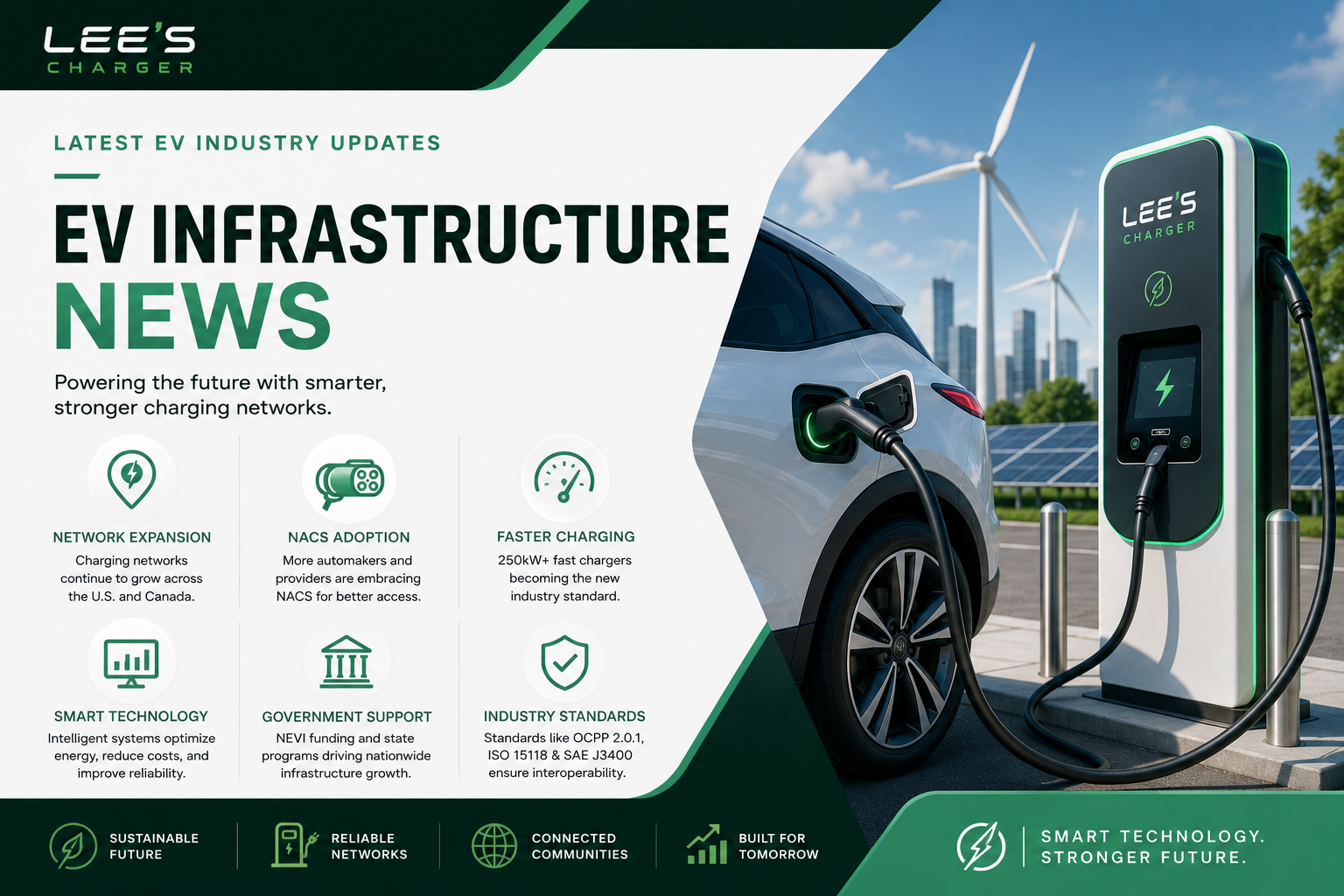
Over the past two years, nearly every major automaker operating in North America has announced plans to transition toward NACS-compatible vehicles and charging solutions.
Manufacturers are integrating NACS charging ports into future EV models while also providing adapter solutions for existing vehicles. This transition is helping create a more unified charging ecosystem across the industry.
The move toward SAE J3400 is also encouraging charging network operators and infrastructure providers to expand support for NACS-compatible equipment and public charging stations.
The Role Of SAE J3400
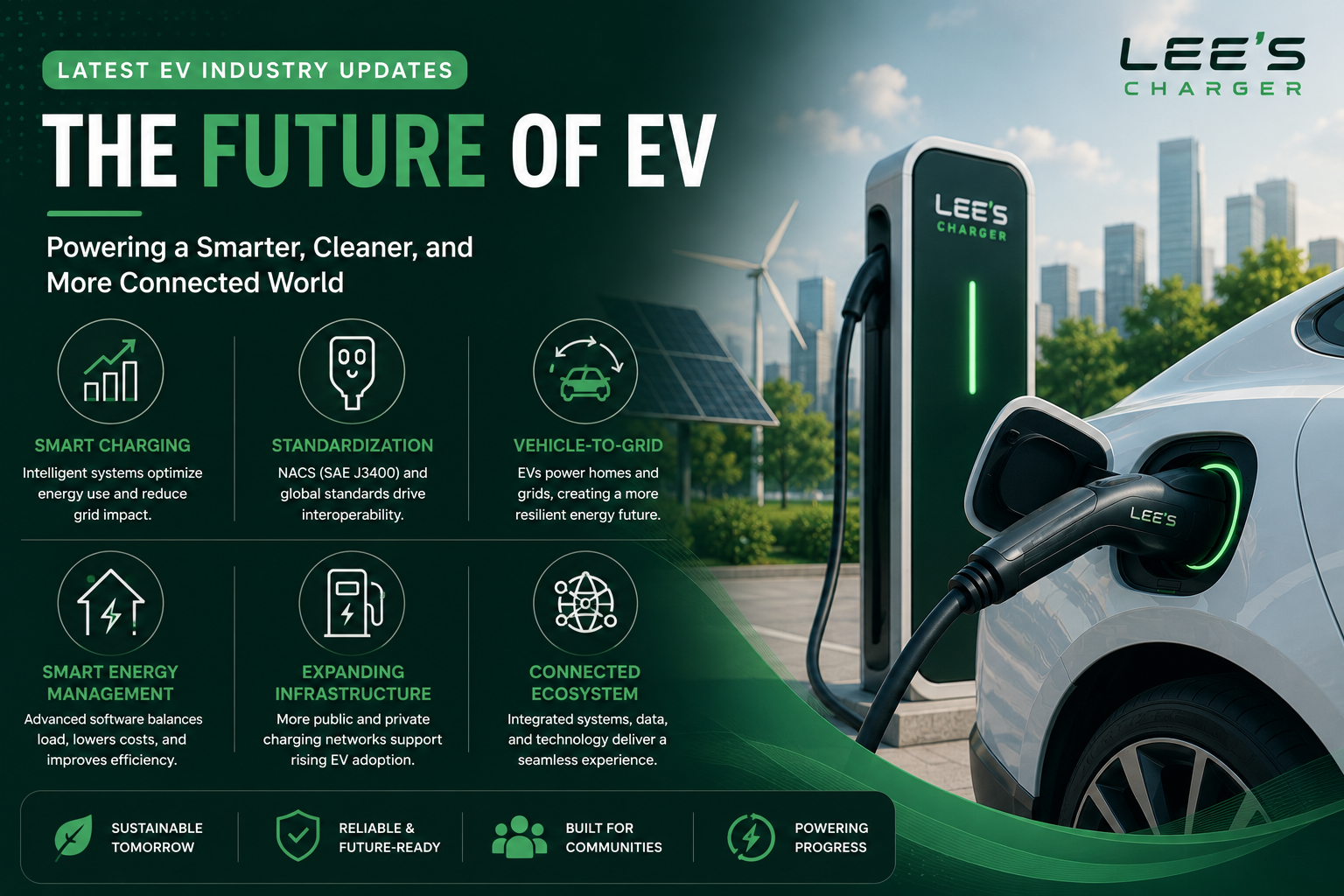
A major milestone occurred when SAE International formally standardized NACS under the SAE J3400 designation.
This development transformed NACS from a Tesla-developed connector into a recognized industry standard that can be adopted by manufacturers, charging providers, and infrastructure companies across the market.
The standard helps support:
• Interoperability between charging networks
• Industry-wide compatibility
• Infrastructure scalability
• Long-term technology adoption
• Future EV charging innovation
What This Means For EV Infrastructure
For businesses, property owners, fleet operators, and public infrastructure projects, the transition toward NACS creates new opportunities for future-ready charging investments.
As charging standards become more unified, infrastructure planning becomes more predictable and scalable. Organizations investing in EV charging solutions today are increasingly prioritizing equipment and infrastructure that can support evolving industry standards.
This is especially important for:
• Commercial charging projects
• Fleet electrification initiatives
• Multi-family charging deployments
• Public charging networks
• Government-funded infrastructure programs
Looking Ahead
The growth of NACS and SAE J3400 represents more than a connector transition—it reflects a broader movement toward a more connected, reliable, and standardized EV charging ecosystem.
As EV adoption continues to accelerate, charging infrastructure will play a critical role in supporting sustainable transportation and future mobility goals. Industry collaboration, technology standardization, and infrastructure investment will continue shaping the next generation of EV charging networks.
The future of electric mobility depends not only on vehicles but also on the intelligent infrastructure that powers them.